Designing Dreamy Bedrooms: Practical Tips for a Modern, Cozy Retreat
A carefully curated bedroom fuses comfort with craft, turning a private space into a sanctuary. Drawing on timeless design principles and contemporary sensibilities, this guide explores cohesive color palettes, focal bed setups, layered textures, smart storage, and lighting strategies to create a serene, stylish bedroom. Along the way, we examine three historically distinct voices—each a lighthouse for how people have approached rest, space, and beauty—from different eras—to illuminate enduring ideas about how rooms can nurture us night after night.
Why the Bedroom Deserves Thoughtful Design
From antiquity to the modern era, the bed has stood at the center of human routines. It is not merely a place to sleep but a threshold where physiology and psychology meet. A well-designed bedroom reduces friction between waking and resting, supports circadian rhythms, and quietly communicates a sense of personal identity. A cohesive palette anchors the space; a carefully selected focal bed provides a visual anchor; layered textures invite tactile warmth; and thoughtful storage ensures a calm, uncluttered environment. The following sections translate these ideas into a practical blueprint for today’s bedroom.
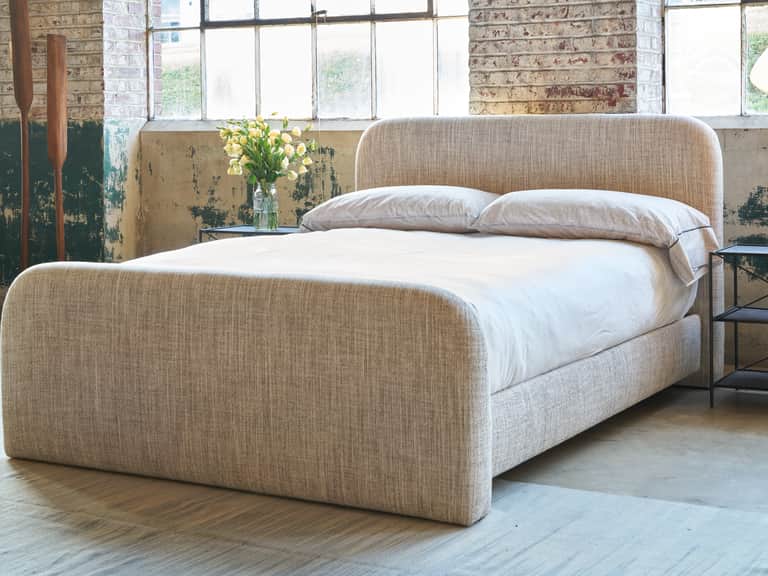
In this feature, we also highlight a striking product that embodies modern craft and sustainable design—the Cisco Home Pebble Bed Frame. Its rounded headboard and platform construction exemplify a contemporary silhouette that balances aesthetics with function, aligning with the broader theme of comfort through thoughtful engineering.
1) Color and Palette: Building a Calm Foundation
Color is the first language of a room. A cohesive palette acts as a conductor, guiding the eye and influencing mood. In a modern bedroom, consider a restrained base—soft neutrals or muted earth tones—paired with an accent color drawn from textiles or artwork. The goal is a sense of quiet refinement rather than distraction. A common approach is to use light, cool neutrals as the primary backdrop, with warmer textures and natural materials adding nuance.
For a lived-in feel that remains serene, weave subtle variations of the same hue across walls, bedding, cushions, and rugs. The layering of color through textiles—linen sheets, cotton throws, wool rugs—creates depth without shouting. A restrained palette also makes it easier to incorporate evergreen materials such as wood grains or stone accents that age gracefully and stay relevant across seasons.
2) The Focal Bed: Anchoring the Room
The bed is the visual center of the bedroom, and its size, silhouette, and finish set the tone. A focal bed doesn’t merely fill space; it defines the room’s personality. In modern design, platform beds with clean lines offer a low-profile, architectural presence that makes the ceiling feel higher and the room more expansive. The absence of a bulky headboard can create a more airy, contemporary feel, while upholstered options can bring a sense of coziness and retreat.
For those seeking a tactile centerpiece with a touch of drama, consider models like the Cisco Pebble Bed Frame, which features a rounded headboard that reads as sculptural without overpowering the space. The Pebble's craftsmanship and sustainable materials align with a modern design ethos that values both aesthetics and responsibility.
Cisco Home Pebble Bed Frame
A transformative element that blends elegance with everyday usability. The Pebble's rounded headboard and platform design create a graceful silhouette, while its FSC-certified wood and sustainable construction emphasize responsible luxury.
- Dimensions: 69.5" W x 45.5" H x 92.5" D (standard)
- Platform height: 10"
- Materials: FSC-certified wood; upholstery options
- Finish: Polished Nickel hardware
Choosing a focal bed also informs the rest of the room’s scale. A larger bed invites generous nightstands or built-in storage options, while a leaner profile invites lighter accent furniture and more air between pieces. The bed’s color can subtly anchor the palette—walnut, ash, or natural oak finishes introduce warmth without overwhelming the space.
3) Layering Textures: Warmth Without Clutter
Texture is the language of tactile comfort in design. Layered textiles—bedding, throws, pillows, and rugs—engage the senses and help modulate acoustics, making a room feel more intimate and restful. Start with a breathable base layer: a crisp cotton or linen sheet set in a pale hue. Add weight with a duvet or quilt in a slightly richer tone. Introduce pattern and depth with cushions that mix textures—tufted velvet, ribbed knit, or a subtle jacquard. Finally, ground the space with a soft rug underfoot that can be a larger, more complex pattern or a simple natural fiber like sisal or jute.
Textural layering also offers a practical benefit: it allows you to adjust the room’s mood seasonally without changing the underlying palette. A chunky knit throw can transform a cool evening into a cocoon of warmth, while a lightweight linen comforter can keep the space feeling breezy and breathable on warmer nights.
4) Smart Storage and Spatial Flow
A serene bedroom depends as much on organization as on beauty. Hidden storage solutions keep surfaces uncluttered, while well-planned layouts optimize movement and light. Consider floating nightstands to maintain a sense of air, or built-in drawers integrated into the bed base for minimalism with practical access. A compact dresser or a slim wardrobe can anchor one wall without crowding the room, leaving space for a gentle seating nook or a reading chair if the footprint allows.
Lighting plays a crucial role in both function and mood. Layer ambient lighting with soft overhead fixtures or recessed LEDs, complemented by task lighting at the nightstands and a warm accent light to highlight a texture or artwork. A dimmer on the primary light source allows you to tailor brightness to the moment—early morning routines, late-night reading, or a quiet Sunday wake-up.
5) Lighting: Soft, Expressive, and Calming
Lighting is the quiet conductor of mood. In bedrooms, the goal is to create a warm, enveloping glow that invites relaxation. Start with ambient lighting that bathes the room evenly, then layer in task lighting for reading or dressing, and finally add decorative lighting that adds character. A light-diffusing lamp shade, warm color temperature (around 2700K-3000K), and controlled switches help achieve a gentle, adaptable atmosphere. Dimmers are an essential tool, enabling you to transition from bright, daytime clarity to intimate, evening stillness.
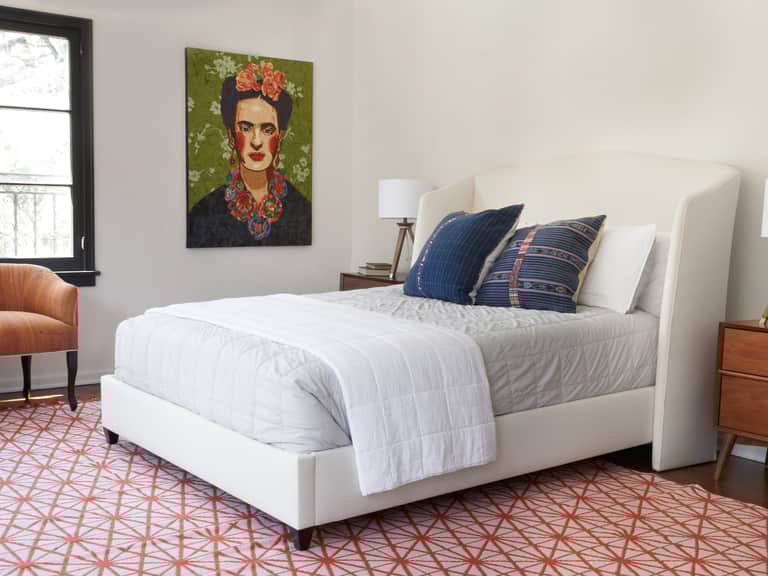
For a tangible example of design intent, see how a platform bed pair with a soft, textured throw and a modest rug can balance scale and light, ensuring neither wall nor ceiling dominates the room. The result is a space that feels curated and comfortable rather than staged.
6) Three Key Figures: Voices Across Time
Design is enriched when informed by historical perspectives. Here are three influential figures from different eras whose ideas about space, rest, and beauty illuminate contemporary practice:
-
Vitruvius (1st century BCE): The Roman architect’s treatises on proportion, utility, and beauty remind us that a space should be functional, well-ordered, and aesthetically coherent. His insistence on harmony between form and function echoes in today’s approach to balanced room layouts and durable materials.
-
Louis Comfort Tiffany (1848–1933): A master of color, texture, and light, Tiffany’s aesthetic demonstrates how carefully curated surfaces and lighting can transform a space into a narrative experience. His work invites designers to consider the emotional resonance of color and sheen in interiors.
-
Zaha Hadid (1950–2016): A champion of fluid form and bold reimagining of space, Hadid’s approach teaches that modern interiors can be both sculptural and livable. Her philosophy encourages experimentation with shapes, flows, and materials to craft environments that feel new yet comfortable.
These figures remind us that a modern bedroom can be a bridge between timeless principles and contemporary craft. The room becomes an archive of ideas, where classical balance, expressive materials, and innovative silhouettes converge into a personal retreat.
Product Spotlight: Cisco Home Pebble Bed Frame
Cisco Home Pebble Bed Frame
A contemporary centerpiece that blends sculptural form with sustainable craft. The Pebble Bed Frame showcases a rounded headboard and refined silhouette, offering a comfortable, modern aesthetic for bedrooms aiming for both elegance and practicality.
Dimensions: 69.5" W x 45.5" H x 92.5" D (standard); Tall option available
Materials: FSC-certified wood; mixed upholstery options
Finish: Polished Nickel hardware
The Pebble Bed Frame embodies a philosophy of durability and elegance. Crafted with eco-conscious methods and sustainable materials, it stands as a testament to how thoughtful production can align with refined design. The platform foundation supports modern mattresses without needing a box spring, keeping sleep spaces streamlined and low-profile. This approach mirrors the broader design ethos of ChelseaBed, where comfort, style, and responsible manufacturing converge to create a bedroom environment that ages gracefully.
7) Final Thoughts: A Personal Retreat You Can Live In
A modern, cozy retreat is not a showroom of perfection but a lived-in space where every texture, hue, and piece serves a purpose. Start with a calm palette and a focal bed, then layer in tactile warmth and functional storage. Let light wash over the room in configurable stages—bright mornings with gentle, high-contrast activity, and evenings that invite slow, restorative routines. As you refine the space, you’ll discover that a well-designed bedroom quietly supports the rhythms of daily life, elevating rest into an art form.
For readers seeking a tangible example to anchor their planning, the Cisco Pebble Bed Frame offers a compelling fusion of modern lines and sustainable craft. Its design language resonates with a broader narrative: that beauty in the home can be purposeful, ethical, and enduring.
Conclusion
Designing a dreamy bedroom is an exercise in balance: a measured color world, a compelling but not overpowering bed, layers of inviting texture, smart storage, and lighting that flexes through the day. By intertwining historical design sensibilities with contemporary craft, you can create a modern sanctuary that remains intimate, functional, and timeless. The journey from palette to pillow is not merely about aesthetics; it is about curating a space that supports rest, fosters creativity, and reflects personal identity—an enduring retreat that welcomes you home each night.