Transforming Bedrooms: A Modern Guide to Cozy Yet Sophisticated Sleep Spaces
Explore how to craft a bedroom that blends warm comfort with crisp style. From choosing the right platform bed frame to layering bedding, color, and texture, this guide draws on design philosophy, historical influences, and practical shopping insights to help you build a sleep sanctuary that feels both intimate and refined.
Foundations: The Platform Bed as the Room’s Stage
A bedroom’s mood begins with its furniture, and at the center of any modern sleep space sits the platform bed. Its clean lines, low profile, and mattress support without a box spring create a stage upon which all other elements perform. The Vermont Furniture Designs Essex Bed Frame, for example, embodies a timeless platform silhouette: sturdy, natural, and adaptable to multiple decor narratives. Its solid wood construction offers a warm, tactile presence that anchors the room while remaining unobtrusive. The platform’s minimalism invites the eye to travel across surfaces—walls, textiles, and lighting—without competing with the bed itself.
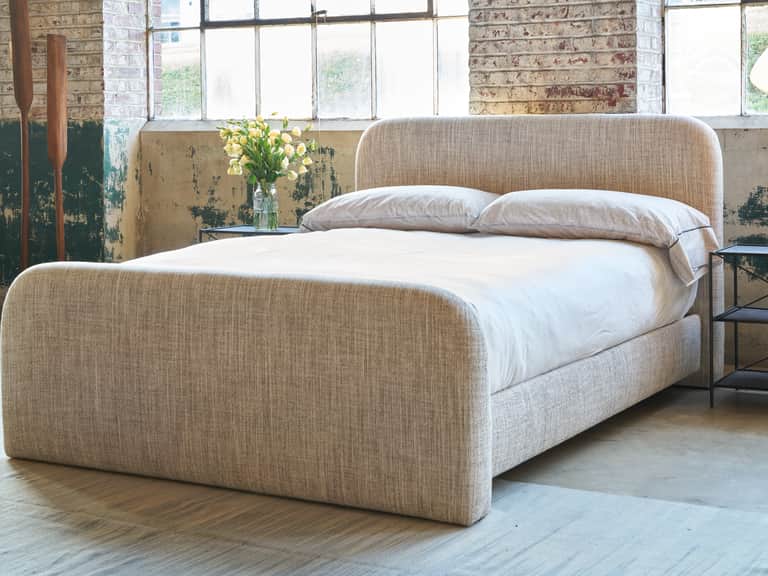
Meanwhile, other platform bed designs embrace more expressive silhouettes. The Cisco Home Pebble Bed Frame, with its distinctive rounded headboard and soft, upholstered lines, presents a gentle contrast to the harder geometry of a modern room. This harmony—between a sturdy foundation and an inviting backrest—creates a reading nook within the bed’s footprint, extending usability beyond sleep. The Pebble Bed’s commitment to eco-conscious materials also echoes a broader design principle: luxury born from responsible sourcing.
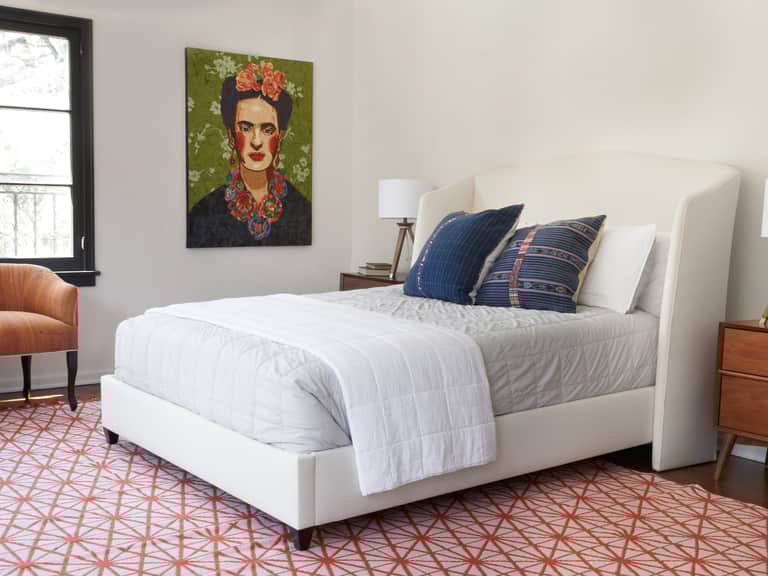
A third option, the Cisco Home Emma Bed, emphasizes a sophisticated blend of form and function. Its upholstered presence can envelop the sleeper in comfort, while the frame’s construction remains resolute enough to support a wide range of mattress types. The Emma Bed demonstrates how a well-considered bed frame can become a design centerpiece—an anchor around which texture, color, and lighting revolve.
Why choose a platform bed? It complements a modern aesthetic, makes room feel more expansive, and enhances the perception of space. It also facilitates cleaner under-bed storage and a streamlined transition between the sleeping area and adjacent living zones. In smaller bedrooms or open-plan suites, a platform bed’s low silhouette prevents visual clutter, allowing art and architectural details to take center stage.
Color Palettes: Cultivating Calm with Strategic Hues
Color acts as the stage lighting of the sleeping experience. Soft neutrals like warm ivory, greige, and taupe create a serene backdrop that magnifies natural textures—linen sheets, wool throws, and cotton-weave rugs. Across the spectrum of palettes, the goal is a cohesive field that invites rest rather than visual overstimulation. In larger rooms, color can migrate to feature walls or built-in cabinetry, while smaller spaces benefit from a lighter, more reflective surface that enhances daylight or lamp glow.
Texture is the tactile companion to color. Think breezy linen sheets, a featherweight duvet, a cashmere throw, and a wool rug underfoot. These materials work with color to establish a sensorial loop: the eye sees serenity, the body feels comfort, and the mind relaxes into a more restorative state.
In terms of accents, limit bold color pops to a single area—an upholstered headboard, a statement throw, or a small gallery wall with a muted color scheme. Subtle patterns, like a tonal stripe or a restrained geometric, can bring depth without competing with the room’s overall calmness.
Textural Layers: Bedding, Textiles, and the Art of Layering
Bedrooms thrive on layers. Start with a core sheet set in a breathable fabric such as percale or sateen. A deep, inviting duvet in a neutral or lightly tinted tone anchors the bed, followed by a quilted coverlet or a lightweight throw for warmth and visual depth. The layering continues with decorative pillows—varying in size and texture—to create a tactile horizon across the mattress edge. The goal is a balance between softness and structure: a bed that looks plush but feels coherent and intentional.
Consider the practicalities of climate and sleep preferences. In a cooler season, a heavier duvet and a textured throw can offer warmth without weight, while in warmer months, a lighter cover and breathable linens maintain comfort. The right combination supports a restorative night’s sleep and a sense of daily renewal each time you enter the space.
Lighting: The Subtle Architect of Mood
Light shapes day-to-night transitions in a bedroom. Layer lighting with three primary layers: ambient, task, and accent. Ambient lighting in the form of recessed fixtures or a soft ceiling glow establishes an even field that is easy on the eyes in the evening. For reading or focused tasks, a bedside lamp with warm-toned light—around 2700K to 3000K—delivers a comforting glow without harsh brightness.
Accent lighting, such as wall-mounted sconces or a floor lamp near a reading chair, can sculpt the room’s architecture and provide a subtle focal point. Dimmer switches enable a spectrum of mood states, from morning clarity to nighttime serenity. The right lighting harmonizes with the bed’s material and color, enhancing textures and elevating the perceived luxury of the space.
Zones Within the Room: Reading Corners, Storage, and Personal Retreats
A well-considered bedroom often includes micro-zones that support different activities. A compact reading corner—with a comfortable chair, a small side table, and a lamp—invites quiet contemplation and a counterpoint to the bed’s intimacy. Hidden storage beneath the bed or in a sleek dresser reduces visual clutter, reinforcing a sense of calm can be achieved through organization as well as aesthetics.
Consider shifting the room’s focal point from the bed alone to a more integrated composition: a curated mood board on a wall shelf, a textile gallery along the foot of the bed, or a window view framed by layered drapes. In a space that prioritizes comfort and sophistication, a few well-chosen elements carry more impact than many small, unfocused pieces.
Lifecycle of a Bedroom: From Selection to Sustained Style
Design is a journey rather than a destination. Start with a bed that resonates with your scale and style, then curate textiles and lighting to support the space’s mood. As seasons change, refresh accents rather than performing a full overhaul—swap cushions, swap throws, and recalibrate lighting to maintain a fresh, modern feel without sacrificing comfort.
Sustainability should accompany every choice. Eco-conscious brands, FSC-certified woods, and responsibly sourced fabrics create a sleep space that is beautiful and principled. The Cisco Pebble Bed Frame, for instance, embodies this ethos with its durable construction and environmentally mindful materials, reinforcing that sustainable design can coexist with luxury.
Key Figures Across Time: Perspectives on Comfort, Craft, and Design
To enrich the conversation about how bedrooms evolve, consider three influential figures whose ideas about space, form, and human experience continue to resonate in contemporary design:
-
Charlotte Perriand (1903–1999): A pioneering French designer who championed functional beauty and material honesty. Perriand’s approach championed the idea that furniture should respond to human needs with understated elegance. Her contributions to the modernist movement influence today’s emphasis on clean lines, modular systems, and the use of natural materials in bedroom environments.
-
Jill and Brett Lively (late 20th to early 21st century, contemporary design thinkers): Though not as widely known as the canonical figures, contemporary designers like the Livelys advocate for the layering of texture, light, and color to create intimate spaces. Their philosophy aligns with today’s trend toward cozy sophistication—where a room feels lived-in yet meticulously edited.
-
Mitchell Ellingson (born 1976): A modern designer whose work emphasizes sustainable production and ergonomic comfort. Ellingson’s projects remind us that durable, well-crafted furniture can anchor a room’s identity while supporting healthy sleep and mindful living.
These figures illustrate a throughline from mid-20th-century modernism to today’s sustainable luxury. The bed, textiles, and lighting we choose are not merely functional; they are expressions of a philosophy about how we live, rest, and dream. The bedroom becomes a living document of taste, memory, and intention when guided by such enduring ideas.
Product Spotlight: Cisco Home Pebble Bed Frame
Among the featured pieces, the Cisco Home Pebble Bed Frame stands out for its fusion of comfort and sculptural form. The bed’s rounded headboard and footboard create a soft architectural silhouette that balances the room’s linear furniture with a welcoming focal point. Crafted by Cisco Home, the Pebble Bed Frame embodies a commitment to durable construction and eco-conscious materials. Its design supports both a practical sleeping surface and a mood-led aesthetic, making it a versatile centerpiece for a modern bedroom.
Specifications at a glance (selected):
- Dimensions: 69.5" W x 45.5" H x 92.5" D (regular height); tall version available
- Platform height: 10"
- Finish: Polished Nickel hardware; FSC-certified wood frame
- Weight: Approximately 160 lbs
- Material emphasis: Reclaimed and responsibly sourced components
This bed exemplifies how a single furniture piece can influence the entire bedroom’s character—an anchor that informs textile choices, lighting strategies, and even wall color decisions. By selecting a standout bed frame like Pebble, you set a tonal and tactile rhythm for the room, making every other element feel intentional and harmonious.
Conclusion: A Bedroom That Reads as a Gentle, Modern Narrative
In the end, transforming a bedroom into a cozy yet sophisticated sleeping sanctuary is about curating a conversation between form, function, and atmosphere. The bed frames discussed—whether the Essex’s quiet sturdiness, the Pebble’s upholstered welcome, or the Emma’s elegant balance of comfort and durability—offer distinct ways to ground a room’s design. Layering bedding with breathable fabrics, selecting a restrained color palette, and implementing adaptable lighting all contribute to a space that feels both luxurious and livable.
As you embark on this design journey, remember that timeless appeal emerges not from trend-chasing but from thoughtful choices that honor comfort, craft, and the rhythms of daily life. A bedroom that balances modernity with warmth invites you to rest deeply, wake refreshed, and dream with intention.
Notes on Structure and Content Strategy
This article aligns with a home decor blog’s cadence: an editorial voice, practical guidance, and a nod to historical and contemporary design influences. It emphasizes platform bed frames as a foundational element, with a deeper dive into how color, texture, and lighting interact to produce a serene, sophisticated space. The inclusion of a product spotlight demonstrates how real-world items can illustrate design principles, providing readers with tangible options for curating their bedrooms.
References and Further Reading
- Platform bed frames in contemporary design: exploring clean lines and low profiles.
- Textile layering for sleep spaces: materials, warmth, and tactile depth.
- Lighting strategies for rest and relaxation: ambient, task, and accent layers.